

Antique interior design for beginners: step-by-step guide
Table of contents
- How to create an antique interior: the complete step-by-step guide
- Step 1: Choose an interior style that suits you
- Step 2: Understand the difference between antique and vintage
- Step 3: Buying antiques for beginners: what should you look for?
- Step 4: Combining antique furniture with a modern interior
- Step 5: Protecting religious statues from moisture and mold
- Step 6: Prevent a cluttered interior with antiques
- Common mistakes and how to avoid them
- Frequently Asked Questions
Last updated: October 12, 2026
How to create an antique interior: the complete step-by-step guide
A step-by-step guide to an antique interior for beginners starts with one simple rule: choose your atmosphere first, then your belongings. Not the other way around.
An antique interior is an interior style based on old, artisan-made furniture and objects. Think of a copper foot warmer, a hand-painted vase, or an enamel wall plate that carries decades of history.

In this step-by-step guide, we will go through six steps.
What you need before you begin
Before you buy anything at all, you need three things: a budget, a measuring tape, and a list of fixed places in your home.
- A budget per piece. Decide in advance the maximum amount you will spend on one object.
- A measuring tape. Measure the place where the piece will go, including the height.
- A floor plan. Draw your room and mark fixed zones.
A basic plan keeps you focused. It prevents you from buying something beautiful that fits nowhere. It also helps with negotiations: you know what a piece is worth to you.
Step 1: Choose an interior style that suits you
Choose one dominant interior style and stick to it. An antique interior works best when there is a clear direction; otherwise, it becomes a collection of unrelated pieces.
Popular directions include:
- Classic and romantic. Pastel colors, gold trim, flowers, and soft wood.
- Industrial. Copper, brass, steel, and rough surfaces.
- Mid-century. Warm wood, clean lines, and retro kitchen appliances.
Your personal style is more important than fashion. Look at what you already have at home and what you naturally like. A timeless style emerges when you choose things you will still like ten years from now.
Step 2: Understand the difference between antique and vintage
The difference between antique and vintage lies in age. Antique usually means more than a hundred years old. Vintage refers to pieces from a more recent era, often from the 1920s to the 1980s.
That distinction determines the price, quality, and value. An antique piece is rarer and often more expensive. Vintage furniture is more accessible and easier to combine with a modern interior.
Look out for these signs:
- Antique: handmade, with visible signs of use and old joinery.
- Vintage: machine-made, with recognizable period characteristics.
- Designer furniture: a well-known brand or designer, often with more streamlined shapes.
For beginners, it's smart to start with vintage. You learn to look, compare, and develop a feel for things without spending a lot of money right away.
Step 3: Buying antiques for beginners: what should you look for?
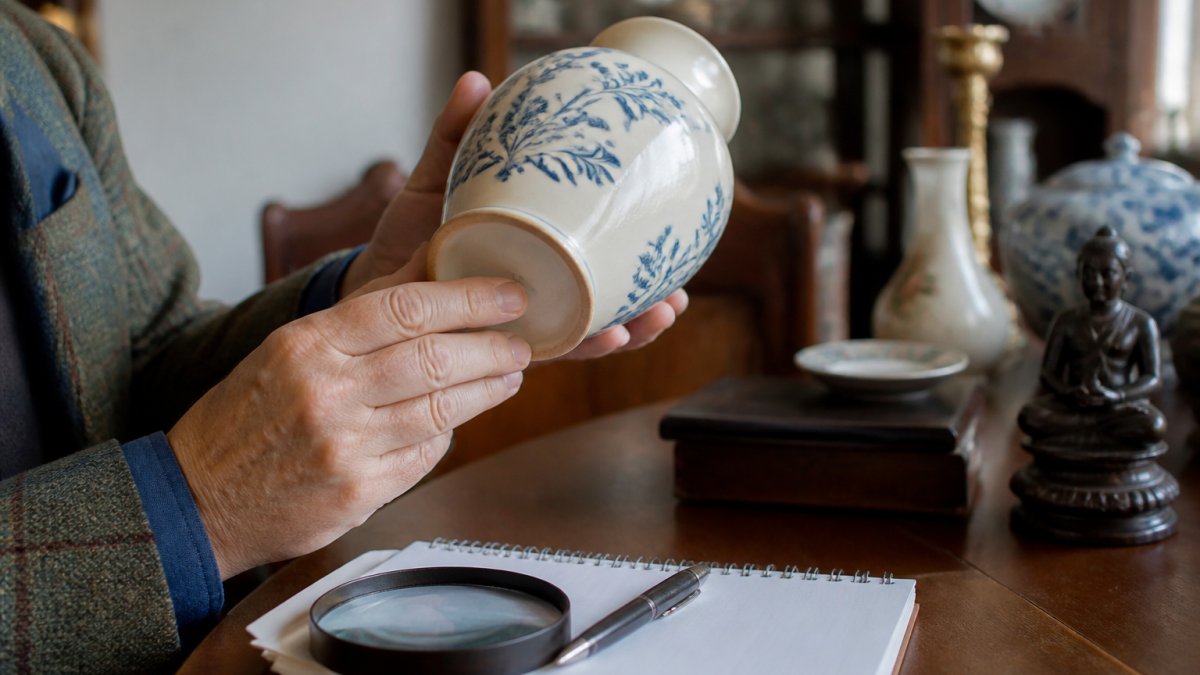
For beginners, buying antiques is about looking, feeling, measuring, and asking questions. Never buy based on a single photo. Always examine an item up close, or ask the seller for additional detailed photos of the underside, the joints, and any repairs.
Identifying: assessing age and authenticity
Age reveals itself in details you can check with the naked eye. Look for these characteristics:
- Wear in the right places. Legs, edges, handles, and the center of a tabletop wear first. Wear in illogical places may indicate refinishing.
- Joints. Mortise-and-tenon joints, dovetails, and wooden dowels are consistent with handmade work. Staples, screws, and glue in unexpected places often indicate a later repair or a newer item.
- Tool marks. Hand-planing leaves light, irregular marks. Machine planing creates a uniform pattern.
Inspecting: the checklist before you buy
Bring a flashlight, a tape measure, and a small mirror. Check these points:
- Stability. Place the item on a level surface and gently rock it. A crooked frame or loose legs are difficult to fix.
- Woodworm. Look for small holes, fine wood dust, and loose exit holes. Tap the wood: a hollow sound may indicate active infestation.
- Wood rot and damp. Press a fingernail into hidden areas. Soft wood indicates moisture damage.
- Cracks and repairs. Ask whether something has been repaired, with what, and when. An honest repair is not a problem; a concealed repair is.
- Veneer and lacquer. Check edges for lifting veneer and bubbles in the lacquer.
- Metal and enamel. Look for rust, green residue on copper and brass, and cracks or worn areas in the enamel.
- Textiles and upholstery. Check for moth damage, weak seams, and whether the filling still springs back.
- Smell. A musty odor may indicate damp or mold. Also smell the inside of cabinets and drawers.
Estimating prices and negotiating
Prices at antique markets, thrift stores, and dealers are often negotiable. A realistic price depends on rarity, condition, provenance, and demand. Always ask about the item's history: clear provenance makes a price easier to justify.
- Set your maximum in advance. Write down what an item is worth to you and stick to it.
- Compare. Look for comparable objects beforehand and note a price range.
- Point out defects. A crack, missing part, or loose joint is a legitimate argument for negotiating.
Transport and maintenance
An antique piece can sustain more damage during transport than in the store. Ask for the original packaging or use soft cloths, foam, and sturdy boxes. Never leave heavy pieces loose in a car; secure them so they cannot slide around.
Once you get home:
- Let a new piece acclimatize to room temperature before unpacking it.
- Dust with a dry, soft cloth; do not use harsh cleaning products.
- Keep wood out of direct sunlight and away from heating to prevent cracks.
For beginners, it's smart to start with vintage. You learn to look, compare, and develop a feel for things without spending a lot of money right away.
Step 4: Combining antique furniture with a modern interior
Combining antique furniture with a modern interior works best with contrast. Place one old piece as a focal point and keep the rest understated.
Some combinations that work:
Antique Hand-Painted Vase – 19th-Century French/Bohemian – Bird Decor with →
- An antique cabinet against a sleek, light-colored wall.
- A vintage brass urn next to a modern sofa.
- An antique wall plate above a minimalist table.
Limit it to three materials per room. Wood, copper, and textiles always work well together. Too many materials make the space feel cluttered.

Colors help too. Pastel colors soften a heavy antique piece. Dark shades create a warm, classic look.
Step 5: Protecting religious statues from moisture and mold
Protecting religious statues from moisture and mold requires a stable location and a consistent routine. Never place them directly next to a window, heater, or damp wall. This applies to wooden, plaster, ceramic, and metal statues, although each material reacts differently.
Here's how to do it:
- Choose a place with a constant temperature. Fluctuations cause materials to expand and contract, which leads to cracks.
- Keep at least fifty centimeters away from heating and windows. Direct heat and sunlight dry out wood and plaster.
- Place a moisture absorber in the cabinet or display case. Replace it regularly, especially during humid months.
- Let air circulate. Do not place objects tightly against a wall or against each other.
- Dust with a dry, soft cloth. Do not use a damp cloth on untreated wood or plaster.
- Check metal separately. Copper and brass are more resilient, but eventually develop a green patina. Dry them immediately after cleaning.
Space planning: measuring, walking routes, and scale
An antique interior only works when the proportions are right. Measure before you buy:
- The space itself. Width, depth, and height, including baseboards and radiators.
- The walking route. Keep at least eighty centimeters clear in frequently used passageways.
- The proportions. A large piece against a low wall can make the room feel cramped; a small piece disappears in a tall space.
Use a paper floor plan or a simple app to mark zones. This prevents you from filling a room with individual pieces that visually obstruct one another.
Sustainability and reuse
Antiques and vintage pieces are inherently sustainable: every piece gets a second life, and no new production is involved. That is not only an environmental benefit, but also a practical advantage. Old furniture is often made of solid wood and can be repaired time and again.
- Choose repair over replacement. A new joint or a new piece of veneer is usually cheaper than a new piece of furniture.
- Reuse packaging materials. Old newspapers, cloths, and boxes protect fragile pieces just as well as new foam.
- Pay attention to provenance. A piece with a known history is often more valuable and easier to maintain.
With a fixed place, simple maintenance routines, and attention to space and reuse, your antique interior will remain not only beautiful, but also practical and sustainable.
Step 6: Prevent a cluttered interior with antiques
Preventing clutter with antiques is a matter of moderation. Every piece should have a reason to be there.
Follow these rules:
- A maximum of three focal points per room.
- Group small objects in groups of three.
- Rotate seasonal pieces instead of displaying everything at once.
- Keep surfaces partly empty.
A stylish home feels calm. If you are unsure, remove one piece. The interior often becomes stronger as a result.
Common mistakes and how to avoid them
The biggest mistake is buying too quickly. People see something beautiful and grab it immediately. Later, it turns out not to fit or to cost too much.
Other mistakes we often see:
- No plan. You buy individual pieces without cohesion.
- Mixing too many styles. Without a dominant style, it becomes cluttered.
- Not inspecting. You can only spot a crack or repair up close.
- Wrong location. Moisture and direct sunlight damage many objects.
Start small. Buy one good piece, learn from it, and build gradually.
At Chez Monique's 2e Leven, we carefully select every object. We inspect their condition and package fragile pieces with reused materials without compromising safety.
Frequently Asked Questions
How do you start creating an antique interior?
Start by choosing a dominant style that suits you. Learn about the difference between antique and vintage so you can search with purpose. Visit thrift stores and antique markets to develop a sense of what you like. First buy one or two statement pieces, such as an antique vase or a vintage wall plate, and build from there. Combine them with existing modern furniture for a personal look.
How do you combine antique furniture with a modern interior?
Choose one antique piece of furniture as a focal point and keep the rest of the decor understated. Use a neutral color palette with an accent color here and there that is echoed in the antique piece. Pay attention to scale: a large antique cabinet next to a sleek modern sofa can work well, as long as there is enough space around it. Mix materials such as wood, brass, and glass for an eclectic yet balanced look.
What is the difference between antique and vintage?
Antique generally refers to objects that are at least one hundred years old, such as a 19th-century vase. Vintage refers to items from the more recent past, often from the 1920s to the 1990s, such as a 1970s brass urn. Both can add character to an interior, but antiques are often rarer and require more knowledge of materials and provenance. For beginners, vintage is an accessible starting point.
How do you care for antique furniture and home accessories?
Keep antique furniture out of direct sunlight and away from damp areas. Dust it regularly with a soft cloth. For religious statues and devotional items: do not place them in a damp environment and avoid temperature fluctuations. Do not use harsh cleaning products. Clean an antique enamel wall plate from the 1940s with a slightly damp cloth. This will preserve its authentic appearance.
Creating an antique interior takes time, but the result is a home with character and history. The hardest part is deciding where to start. At Chez Monique's 2e Leven, you’ll find a carefully curated collection of antique and vintage objects, with special attention to religious statues and devotional items. Each piece is inspected and shipped safely using reused packaging materials. Browse our latest finds and give a special object a second life in your interior.