

Best vintage decor for small spaces: 7 tips
Table of contents
- Decorating a small room with a vintage interior: the basic rules
- Vertical storage and vintage wall decor
- Multifunctional vintage furniture and accessories
- Antique devotional objects in a modern interior
- Protecting religious statues from moisture and mold
- Budget-friendly sources for vintage finds
- Conclusion: Give Your Small Space a Second Life
- Frequently Asked Questions
Last updated: September 25, 2026
Decorating a small room with a vintage interior: the basic rules
The best vintage decor for small spaces follows one simple rule: every object should make the space feel lighter, not fuller. Small rooms can actually benefit from carefully chosen vintage pieces because they add character without filling the space with mass-produced items.
The basic rules are simple:
- Choose one focal point per wall, not three
- Keep the color palette limited to two or three shades
- Work with height instead of width
- Let negative space breathe between objects
- Choose pieces with a story over pieces without one
Vertical storage and vintage wall decor
Vertical storage is the most underrated solution for a small home. The wall is free square footage that most people leave unused. Where most interior guides stop at “hang something on the wall,” this is about a system: measuring, mounting, and combining.

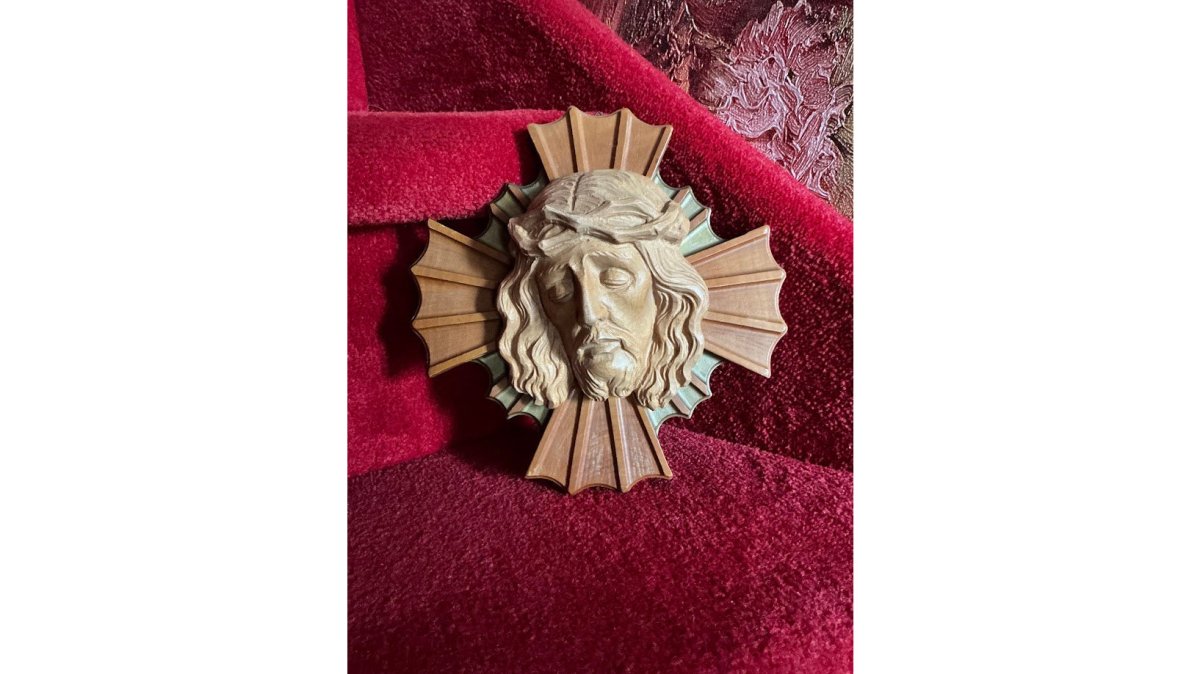
Start by measuring, not shopping
Before hanging anything, mark three horizontal lines with painter's tape: at 1.10 meters, 1.50 meters, and 1.80 meters. These lines are your working area.

- 1.10 meters: lower edge for a narrow console or wall shelf. Nothing taller than 25 cm should hang here, or you may bump into it with a chair.
- 1.50 meters: eye level. This is the focal-point line. An object 20 to 25 cm high stands out most strongly here.
- 1.80 meters and higher: flat, lightweight pieces. A wall plate, plaque, or textile hanging has less visual weight here and draws the room upward visually.
Mounting: the difference between staying up and falling down
Most damage to vintage wall decor can be caused by improper hanging. A few rules of thumb:
- Plaster and porcelain: use a wall plug suitable for the wall type. In a plasterboard wall, a hollow-wall anchor with spreading wings holds better than a regular plug.
- Above 2 kg: use two hanging points instead of one. This distributes the weight and prevents tilting.
- Bronze and brass: never hang them from a suction cup or adhesive hook. The weight is too great, and the patina can be damaged in a fall.
- Textiles on a rod: a narrow rod 60 to 80 cm wide supports a woolen throw or wall hanging without bending. Choose a rod with a diameter of at least 2 cm.
Three layers, one wall
Work per wall in three zones instead of hanging things randomly:
- Eye level (1.50 m): the focal point. An antique French statue of Mary measuring 21 cm in height or a bronzed relief.
- Above that (1.80 m+): light, flat pieces. A wall plate, plaque, or rolled-up textile artwork on a rod.
- Below that (1.10 m): a narrow console or wall shelf no more than 25 cm deep for smaller objects such as a porcelain statue of Mary or a copper calendar.
Textiles as sound absorbers
A wall hanging or woolen throw on a narrow rod can not only add texture, but also dampen sound in a small room. In a space with hard floors and little furniture, a wall hanging can noticeably reduce the echo. Two birds with one stone, and it does not take up a centimeter of floor space.
Multifunctional vintage furniture and accessories
Multifunctional vintage furniture solves the biggest problem in a small space: too few functions per square meter. Every piece should fulfill at least two tasks.
From planter to jewelry box: dual use
Some vintage finds already have a dual function built in. The vintage porcelain statue of Our Lady of the Miraculous Medal from the 1960s or 1970s, 20 cm high, serves both as a decorative statue and as a planter. Add a small succulent and you have greenery and history in a single piece.
| Object | Dimensions | Dual function |
|---|---|---|
| Porcelain Mary planter | 20 cm high | Statue and planter |
| 19th-century wooden box | 13.5 cm wide | Jewelry box and decoration |
| Perpetual copper calendar | 7.5 cm high | Calendar and desk accessory |
Antique devotional objects in a modern interior
Antique devotional objects fit surprisingly well in a modern interior, as long as you treat them as works of art rather than church ornaments. A bronze-colored statue of Mary from the 1920s or 1930s next to streamlined furniture creates exactly the contrast that makes a room interesting.
Protecting religious statues from moisture and mold
Protecting religious statues from moisture and mold starts with choosing the right place, but knowledge of materials makes the difference. Plaster, stone, porcelain, bronze, and wood all react differently to moisture. Knowing this can help keep an antique piece looking beautiful for longer.
Why moisture is such a problem
Moisture is the greatest enemy of antique devotional objects. Plaster and stone are porous: they absorb water, and once damp, mold can settle in the pores. It is difficult to remove without damaging the piece. Porcelain is less porous, but the glaze can develop crazing and retain moisture in the hairline cracks. Bronze oxidizes and develops a green patina. Wood expands and contracts and can warp or crack.
Maintenance by material
Plaster and stone
Vintage Porcelain Miraculous Mary →
- Dust with a dry, soft brush. Never use a damp cloth, as it pushes dirt into the pores.
- Keep indoor humidity between 40 and 60 percent. Below 40 percent, plaster becomes brittle; above 60 percent, mold can spread freely.
- Let a piece that has become damp dry slowly at room temperature, never near a heater. Rapid drying causes cracks.
Porcelain
- Clean with lukewarm water and a drop of mild soap only when really necessary. Then pat dry immediately.
- Check the glaze twice a year for crazing. Small hairline cracks are a sign that moisture can get inside.
- Never place porcelain in direct sunlight: the color fades and the glaze becomes brittle.
Bronze and brass
- Leave the patina in place. Polishing removes the protective oxidation layer and makes the surface more vulnerable.
- Remove green residue with a soft cloth and a little wax. Do not use abrasive cleaners.
- Keep bronze away from damp areas such as bathrooms and kitchens.
Wood
- Keep wood out of direct sunlight and away from radiators. Wood responds to temperature differences and can shrink or expand.
- Treat dry wood no more than once a year with a thin layer of wax. Too much wax attracts dust.
Practical protection in a small space
In a small home, objects are closer together and nearer to heat sources. This makes these rules especially important:
- Keep indoor humidity between 40 and 60 percent. A simple hygrometer costing a few tens of euros gives you that control.
- Give statues a permanent spot out of direct sunlight, which discolors both paint and bronze.
- Dust with a dry, soft brush instead of a damp cloth.
- Check wall statues twice a year for loose fastenings and damp spots.
- Let a piece that has become damp dry slowly at room temperature, never near a heater.
Indoors or outdoors
Only weather-resistant pieces are suitable for outdoor use. A stone wall statue of Mary with child that withstands all weather conditions can be placed in the garden. Porcelain and plaster should stay indoors. Bronze can be kept outdoors, but only if the patina is allowed to provide protection and you do not polish it.
Budget-friendly sources for vintage finds
Budget-friendly vintage collecting can come down to timing and knowing where to look. Finds do not always come from the most expensive shops.
Where to look:
- Thrift stores and flea markets in spring, when people are decluttering
- Estate auctions where entire household contents are sold
- Specialized online stores that source and inspect items themselves
- Family and acquaintances who are clearing out their attics
Conclusion: Give Your Small Space a Second Life
Decorating a small space with vintage decor requires choices, not more things. Each piece should add something: height, function, texture, or a story.
Frequently Asked Questions
How do you combine vintage items in a small living room without making it look cluttered?
Limit yourself to three to five vintage pieces that genuinely add something. Choose wall decor such as a wooden wall relief or an antique enamel wall plate, since they take up no floor space. Keep the foundation neutral and give each vintage object room to breathe. By working with contrasts, such as a dark Mary statue against a light wall, you create atmosphere without making the space feel busy.
Which vintage objects are both decorative and functional in small rooms?
Consider a vintage porcelain Mary figurine that also serves as a planter, or an antique perpetual desk calendar that shares your desk. An antique wooden box with a mirror can serve as jewelry storage and as a decorative piece. Such multifunctional vintage decor saves space and adds character. They are ideal for a small apartment where every centimeter counts.
How do you integrate religious statues into a modern, small interior?
Place a religious statue as a focal point in an otherwise minimalist interior. An antique 21 cm tall French Mary statue or a 25 cm Sacred Heart of Jesus wall plaque stands out without dominating. Combine it with natural materials such as wood and linen. This gives antique devotional objects a natural place in a modern interior without making it feel dated.
How do you prevent a vintage interior from becoming too busy in a small space?
Work with a limited color palette and repeat no more than two or three shades. Choose a few statement lighting pieces and leave parts of the walls empty. Use vintage accessories in different sizes, such as a small 14 cm wall figurine next to a larger 21 cm wall relief. Too many patterns and colors mixed together make a small room feel restless. Here, less really is more.
What are the best vintage decorative pieces for a limited space?
Wall pieces are the best choice: an antique 22 cm enamel wall plate, an 18 cm porcelain wall plaque, or a 21 cm wooden wall relief. They take up no floor space and immediately add atmosphere. Small objects such as a copper desk calendar or a small Mary statue used as a planter also work well. Look for pieces that suit your interior style and that you genuinely love.